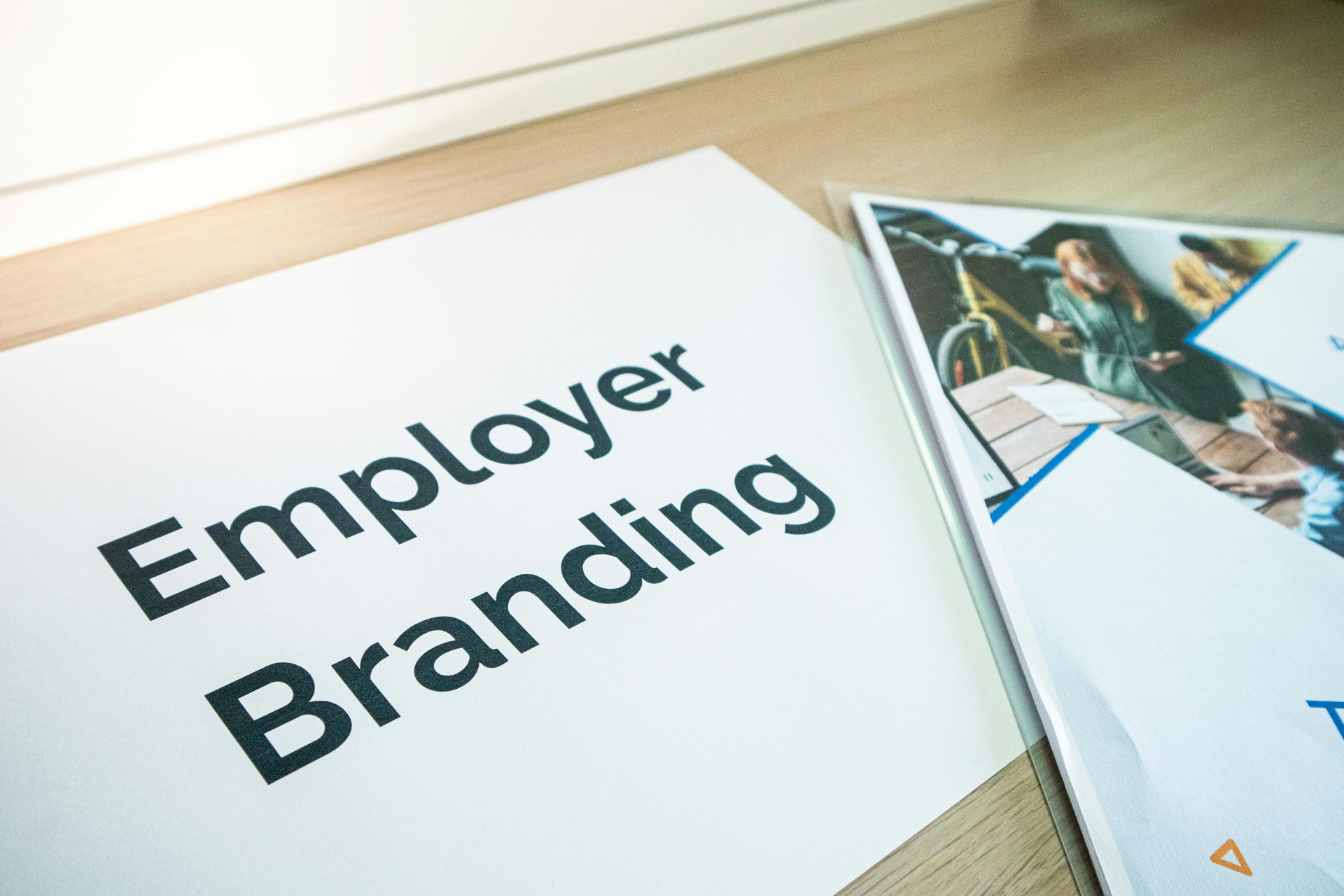
Employer branding is the discipline that puts structured effort behind positioning your company as an attractive place to work — and helps you improve recruitment, retention, and your overall employer reputation. With the right strategy and the use of social platforms like LinkedIn, your organization can gain a serious advantage in the race for top talent. This article will provide you with valuable tools on how to strengthen your employer branding with LinkedIn.
Employer branding — the communications effort focused on showcasing the workplace to attract future employees — isn’t new. But it’s evolving rapidly. Employees are demanding more from their employers, and the tools available through digital and social media continue to expand.
From time to time, we see large-scale campaigns from global brands like SodaStream or Maersk, featuring big-budget video productions as part of their employer branding efforts. These productions serve both PR and reputation-building purposes — in Maersk’s case, even signaling a new direction in how the company engages with society. But employer branding doesn’t have to be corporate or grand in scale.
In fact, employer branding can and should be more personal, more hands-on — and much more network-oriented. That’s where social media platforms like LinkedIn come into play.
Build a Strategy — and Let LinkedIn Amplify It
As with most things, success starts with structure. Whether you’re launching a new employer branding effort or refining what you already have in place, a good strategy should clearly define:
- What is our core story as a workplace?
- What makes our company culture and employee experience unique?
- Who are our key target audiences?
- Where are our recruitment challenges — and who are we competing with?
- Which channels and individuals can help us deliver our message?
Naturally, a durable employer branding strategy must be anchored at the top of the organization. The messaging used to position your company as a great place to work must connect to your organizational DNA — and align with your broader external narrative. Employer branding is not just a side project for HR. It’s a leadership responsibility too.
It’s About Values
Put simply, employer branding is about communicating your company’s values — in a tone, format, and channel that resonates with potential employees. That means companies without a clear values framework will struggle to compete with those who actively position themselves through transparent communication about culture, traditions, and purpose — all the things that make a workplace feel meaningful.
And the numbers are clear: across industries and generations, employees want to work for companies that have strong, visible values — and transparent leadership, particularly on social media like LinkedIn.
So when it comes to turning strategy into practice, it’s about bringing your values to life. LinkedIn allows you to powerfully communicate how your organization makes a difference — not just for the individual employee, but for your community, your country, or the world.
And remember: show it, don’t just tell it. We want to see your values lived and expressed by both leaders and employees — ideally with a consistent tone of voice that bridges your corporate channels and the individuals who represent the brand.
Authentic employer branding is unpolished, insightful, and honest.
Give the Floor to Your People
It’s often said that “employees are your most valuable resource.” But in employer branding, they’re more than that — they’re your most powerful messengers.
When employees actively share their workday on social media like LinkedIn, they provide a glimpse into company life that feels real, personal, and trustworthy. People trust people. That’s why using employees as ambassadors makes so much sense: they can reach networks and audiences far beyond the organization’s own channels.
When employee advocacy gives us a peek behind the curtain — when we hear everyday stories from employees themselves — we gain a level of transparency that today’s jobseekers increasingly expect when evaluating whether to apply.
Done right, employee advocacy is one of the most powerful tools an organization can use to attract and retain top talent. But it doesn’t happen overnight. It takes structure, training, and an understanding that this kind of communication requires time and trust.
Strong Leadership = Strong Employer Branding
One of the most important elements of effective employer branding is visible leadership. Ambitious organizations need to embed employer branding into their top executives’ communication — across both internal and external channels. Whether you call it CEO branding, CEO activism, or simply leadership communication, the goal is the same.
Especially on LinkedIn — depending on which types of talent you’re trying to attract — it makes perfect sense for company leaders to communicate proactively as part of your employer branding efforts.
Leadership visibility, public recognition of employees, and consistent value-driven communication are critical ingredients for creating an attractive workplace brand. In both employee advocacy and employer branding, it’s a game-changer when the CEO leads by example — speaking openly about what makes the organization special.
Employer branding is never “done.” It’s not a finished product — it’s an ongoing journey. But with the right use of LinkedIn organizations can move forward and attract the people who will drive future reputation, business success, and long-term prosperity.
Curious about how your organization can leverage LinkedIn for employer branding?
Need help getting started with using LinkedIn as a strategic asset?
Let’s talk.


